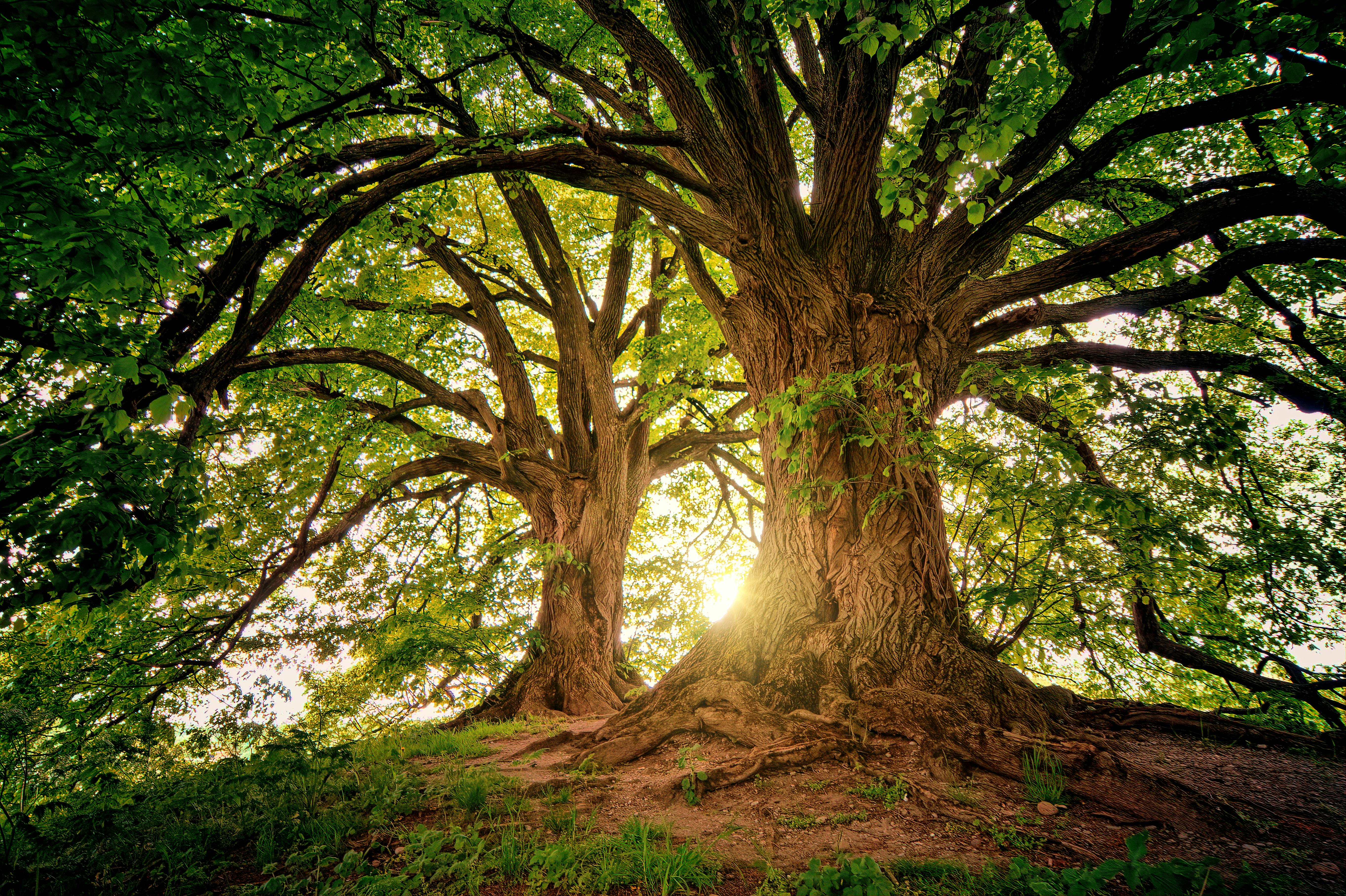
The growing awareness of climate change and environmental sustainability has led to an increasing demand for eco-friendly landscape transformation services. These services aim to transform outdoor spaces into sustainable environments that not only enhance the aesthetic appeal of a property but also contribute positively to the ecosystem. Landscape transformation services focus on integrating sustainable practices such as water conservation, native planting, and soil health improvement, ensuring that the transformation is both beautiful and ecologically beneficial.
Key Elements of Sustainable Landscape Transformation
Sustainable landscape transformation involves various key elements that contribute to the overall health and sustainability of the environment. These elements include:
- Water Management: Implementing techniques such as rainwater harvesting, drip irrigation, and the use of permeable surfaces to reduce water wastage and promote efficient water use.
- Native Planting: Utilizing native plants that are adapted to the local climate and soil conditions, reducing the need for excessive watering, fertilizers, and pesticides.
- Soil Health: Ensuring soil fertility and structure through organic amendments and minimal disturbance practices to maintain a robust root system and healthy plant growth.
- Energy Efficiency: Designing landscapes to reduce energy consumption by strategically placing trees and shrubs to provide natural shade and windbreaks.
Benefits of Sustainable Landscaping
Embracing sustainable landscaping practices offers numerous benefits, both environmentally and economically:
- Environmental Conservation: Reduces the carbon footprint and preserves local wildlife habitats.
- Cost Savings: Lowers maintenance costs by reducing water usage and minimizing chemical inputs.
- Improved Air Quality: Plants act as natural air filters by absorbing pollutants and releasing oxygen.
- Enhanced Property Value: Beautiful, sustainable landscapes can increase the market value of a property.
To explore further insights into the benefits and practices of sustainable landscaping, read more about this topic.
Steps to Achieve a Sustainable Landscape
Assessment and Planning
The first step towards achieving a sustainable landscape is conducting a thorough assessment of the existing conditions. This includes evaluating soil health, water availability, and the existing plant species. Proper planning should incorporate sustainable practices that align with the natural ecosystem. Learn more in this detailed guide on how to effectively plan a sustainable landscape.
Implementation of Sustainable Practices
After a comprehensive assessment and planning phase, the next step is to implement sustainable practices. This involves selecting the right plants, installing efficient irrigation systems, and integrating renewable materials. It is crucial to ensure that these practices are carried out by skilled professionals who understand the principles of sustainability. Explore further insights here on how to implement these practices.
Conclusion
Sustainable landscape transformation services are essential in today’s world to build environments that are not only pleasing to the eye but also beneficial to the ecosystem. By incorporating water management, native planting, and soil health improvements, sustainable landscapes can significantly impact environmental conservation and economic savings. For those interested in pursuing sustainable landscaping, find additional information here on how to start this transformative journey.