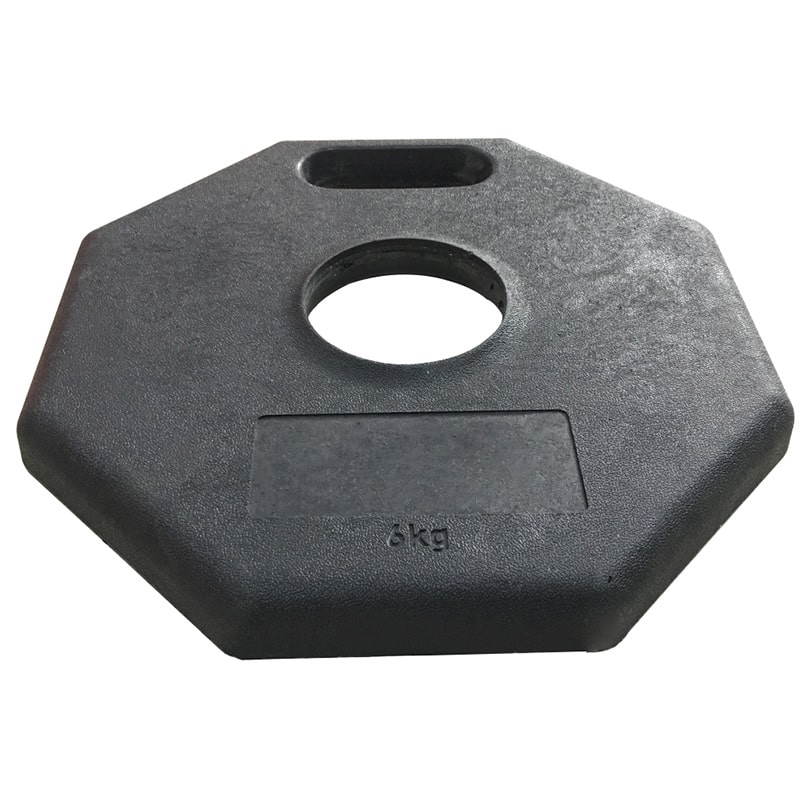
Traffic management has become an essential component of modern infrastructure, as urban areas continue to grow and transportation needs evolve. Road delineators play a crucial role in enhancing traffic flow, ensuring safety, and reducing congestion. By providing clear visual cues and physical guidance, these devices contribute significantly to orderly traffic movement. This article explores how road delineators improve traffic flow, their benefits, and the strategies employed in their effective implementation.
Understanding Road Delineators
Road delineators are devices used to guide vehicles and pedestrians along designated paths. They are strategically placed on highways, urban streets, and other transportation routes to enhance visibility and direct traffic flow. These tools come in various forms, including:
- Flexible posts that bounce back after impact
- Reflective markers for night visibility
- Concrete or plastic bollards for physical barriers
Each type of delineator serves a specific purpose, from guiding traffic lanes to marking pedestrian areas. The choice of delineator depends on factors such as location, traffic density, and specific safety needs.
The Impact of Road Delineators on Traffic Flow
Enhanced Visibility and Safety
One of the primary functions of road delineators is to enhance visibility, especially under low-light conditions. Reflective materials used in these devices ensure that they are visible from a distance, allowing drivers to navigate safely. This heightened visibility:
- Reduces the likelihood of accidents by providing clear lane demarcations
- Guides drivers during adverse weather conditions
- Improves pedestrian safety by clearly marking crosswalks and pedestrian zones
For more information on the types of delineators that enhance visibility, explore advanced guides and tips.
Efficient Traffic Flow Management
Effective traffic management relies heavily on the strategic placement of road delineators. By guiding vehicles through complex intersections and merging lanes, delineators help maintain steady traffic flow. This management includes:
- Directing traffic during road construction projects
- Controlling the flow in high-traffic areas
- Preventing vehicles from entering restricted zones
To find out more about this approach, discover expert strategies here.
Strategies for Implementing Road Delineators
Location and Design Considerations
When implementing road delineators, careful consideration must be given to their location and design. Factors to consider include:
- Traffic volume and types of vehicles using the road
- Environmental conditions such as lighting and weather
- The specific objectives of the traffic management plan
Effective placement not only improves traffic flow but also maximizes the safety benefits of delineators. Learn about our tailored solutions for various environments.
Regular Maintenance and Updates
For road delineators to continue functioning effectively, regular maintenance is essential. This includes:
- Replacing worn or damaged delineators
- Updating reflective surfaces for optimal visibility
- Ensuring proper alignment and placement
Timely updates and maintenance ensure that delineators remain effective in directing traffic and enhancing safety. Find out more about this approach to maintenance and updates.
Conclusion
In conclusion, road delineators are vital tools in modern traffic management systems. Their ability to improve visibility, enhance safety, and manage traffic flow makes them indispensable in urban planning and road safety strategies. By selecting appropriate types and ensuring their proper placement and maintenance, delineators can significantly contribute to smoother and safer transportation networks. As cities continue to grow, the role of these devices in ensuring efficient and safe travel will only become more critical.