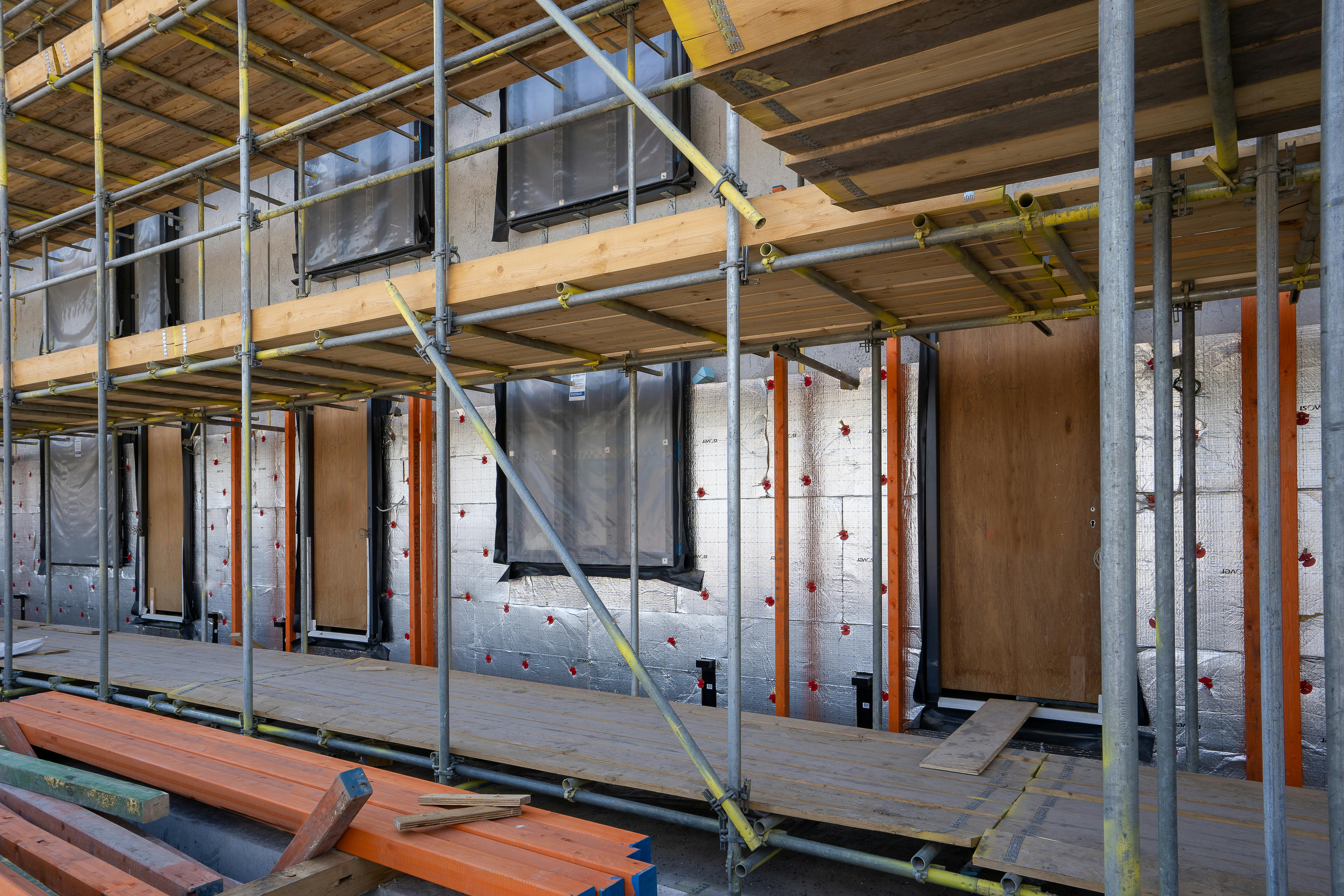
In the quest for energy efficiency and sustainability, the construction industry is increasingly turning to innovative solutions to enhance building performance. One such critical innovation is the implementation of thermal breaks. These components play a pivotal role in minimizing thermal bridging, thereby improving the overall energy efficiency of buildings. As climate change continues to push the agenda for greener construction practices, understanding the role of thermal breaks has become essential for architects, engineers, and builders who aim to create energy-efficient structures.
Understanding Thermal Breaks
Thermal breaks are materials inserted between conductive elements in a building’s structure, interrupting the flow of heat. They are typically used in areas where there is a direct path for heat transfer, such as window frames, curtain walls, and balconies. These breaks act as insulators, reducing energy loss and enhancing the thermal performance of a building.
Key Benefits of Thermal Breaks
- Improved Energy Efficiency: By reducing heat transfer, thermal breaks significantly decrease heating and cooling costs, leading to substantial energy savings.
- Enhanced Comfort: Buildings with effective thermal breaks experience fewer temperature fluctuations, ensuring a more comfortable indoor environment.
- Condensation Control: Thermal breaks help prevent condensation, which can lead to mold growth and structural damage.
- Environmental Impact: Reducing energy consumption contributes to lowering carbon footprints and promoting sustainable building practices.
Applications of Thermal Breaks in Construction
Thermal breaks are versatile and can be integrated into various building elements. They are commonly found in:
- Window and Door Frames: These are critical areas where thermal breaks help to minimize the transfer of heat between the interior and exterior.
- Roofing Systems: In roofing, thermal breaks are used to prevent heat loss, particularly in metal roofing systems where thermal bridging is a significant concern.
- Structural Glazing: In curtain walls and glazing systems, thermal breaks are essential to maintaining the thermal envelope of the building.
For more detailed insights into these applications, discover expert strategies here.
Choosing the Right Thermal Break Materials
The selection of appropriate materials for thermal breaks is crucial to their effectiveness. Common materials used include:
- Polyamide: Known for its excellent insulating properties, polyamide is often used in window frames and curtain walls.
- Polyurethane Foam: This material is used in various applications due to its high thermal resistance and ease of installation.
- Fiberglass: Offering superior strength and insulation, fiberglass is ideal for use in structural applications.
Different projects may require tailored solutions to meet specific needs. Learn about our tailored solutions here.
The Future of Thermal Breaks in Construction
As building codes evolve and the demand for energy-efficient buildings increases, the role of thermal breaks is expected to grow. Future advancements may include:
- Innovative Materials: Research into new materials could lead to even more effective thermal breaks with enhanced properties.
- Integration with Smart Technologies: Combining thermal breaks with smart building technologies could further improve building performance and energy management.
- Wider Adoption in Retrofitting: As the benefits of thermal breaks become more widely recognized, their use in retrofitting existing structures is likely to increase.
For those interested in exploring advanced guides and tips on this evolving field, explore more information.
Conclusion
The role of thermal breaks in enhancing building efficiency cannot be overstated. By addressing thermal bridging, these components contribute significantly to energy savings, occupant comfort, and environmental sustainability. As the construction industry continues to innovate and prioritize green building practices, thermal breaks will remain a fundamental element in achieving efficient and sustainable structures. Find out more about this approach here.