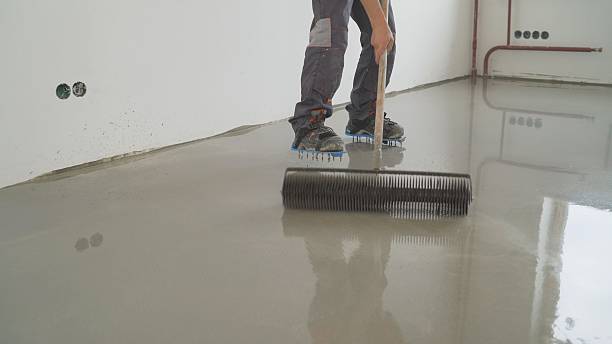
Concrete flooring is a foundational element in both residential and commercial construction, offering durability, strength, and versatility. However, raw concrete is porous and prone to staining, cracking, and wear over time. Applying a high-quality concrete coating transforms the surface, providing protection against moisture, chemicals, and daily traffic while enhancing aesthetic appeal. Whether renovating a garage, upgrading a warehouse floor, or preparing a decorative patio, selecting the right coating service ensures long-term performance and a finished look that meets functional and design goals.
Why Choose a Concrete Coating?
Concrete coatings serve several critical functions that go beyond simple appearance:
- Protection: Seals the concrete to prevent water infiltration, chemical spillage, and abrasion.
- Durability: Extends the lifespan of the slab by reducing cracking and surface degradation.
- Safety: Provides slip-resistant textures, which are essential for high-traffic or wet environments.
- Maintenance: Simplifies cleaning and reduces the need for frequent repairs.
- Customization: Offers a range of colors, finishes, and patterns to match design specifications.
Key Types of Concrete Coatings
Epoxy Coatings
Epoxy systems are popular for industrial and commercial spaces because they form a hard, chemical-resistant layer. They are ideal for areas that experience heavy loads, such as warehouses, manufacturing floors, and garages.
- High compressive strength
- Excellent adhesion to prepared concrete
- Available in decorative flakes or solid colors
Polyurethane Coatings
Polyurethane provides superior UV resistance and flexibility, making it suitable for exterior applications like patios, drive-ways, and pool decks. It maintains its appearance longer under sunlight compared to epoxy.
- Enhanced UV stability
- Flexible finish that tolerates slight movement
- Glossy or matte options
Learn more in this detailed guide.
Acrylic Sealers
Acrylic sealers are a cost-effective option for decorative concrete, offering a clear, breathable coating that enhances color while allowing the concrete to “breathe.” They are often used on interior floors, decorative walkways, and light-traffic areas.
- Fast curing time
- Improves color vibrancy
- Easy reapplication
Explore further insights here.
Steps Involved in a Professional Coating Process
A thorough, methodical approach is essential to achieve a flawless finish. The typical workflow includes:
- Surface Assessment: Inspect the concrete for cracks, moisture issues, and contaminants.
- Preparation: Clean, degrease, and mechanically grind or shot-blast the surface to create a profile for optimal adhesion.
- Repair: Fill cracks and level low spots with appropriate patching compounds.
- Priming: Apply a primer to enhance bonding between the substrate and the coating.
- Coating Application: Apply the selected coating system in multiple layers, allowing proper curing between each coat.
- Finishing Touches: Add decorative flakes, anti-slip aggregates, or top-coat sealers as required.
- Quality Inspection: Verify thickness, adhesion, and finish quality before final hand-over.
Find additional information here.
Factors to Evaluate When Selecting a Service Provider
Choosing the right contractor is as important as selecting the coating material. Consider the following criteria:
- Experience: Look for a track record of completed projects similar in scope and environment.
- Certification: Verify that technicians hold certifications for the specific coating systems they use.
- Surface Preparation Standards: Ensure they follow industry-accepted preparation methods (e.g., ASTM C 578 for concrete grinding).
- Warranty Coverage: A clear warranty indicates confidence in the workmanship and materials.
- Safety Practices: Proper ventilation, PPE usage, and disposal of hazardous materials should be documented.
Maintenance Tips for Coated Concrete Floors
Even the best-applied coating benefits from regular upkeep. Follow these guidelines to preserve appearance and performance:
- Promptly remove spills, especially chemicals and oil, using a pH-neutral cleaner.
- Sweep or vacuum daily to prevent abrasive particles from scratching the surface.
- Use a damp mop with a mild detergent for routine cleaning; avoid harsh acids or abrasive pads.
- Reapply a top-coat or sealant according to the manufacturer’s schedule, typically every 2-5 years.
- Inspect high-traffic zones for wear and address issues before they spread.
Environmental and Health Considerations
Modern coating formulations are designed to reduce volatile organic compounds (VOCs) and improve indoor air quality. When evaluating options, prioritize low-VOC or water-based systems, especially for indoor applications. Proper ventilation during installation and curing further minimizes exposure risks.
Additionally, many coatings now incorporate antimicrobial additives that inhibit mold and bacterial growth, a valuable feature for facilities such as hospitals, kitchens, and gyms.
Learn more in this detailed guide.
Conclusion
Investing in quality concrete coating services delivers a combination of protection, durability, safety, and aesthetic flexibility that raw concrete cannot provide. By understanding the types of coatings available, the systematic application process, and the criteria for selecting a qualified provider, property owners can make informed decisions that extend the life of their concrete surfaces while meeting design objectives. Regular maintenance and attention to environmental factors further ensure that the coating performs at its best for years to come.