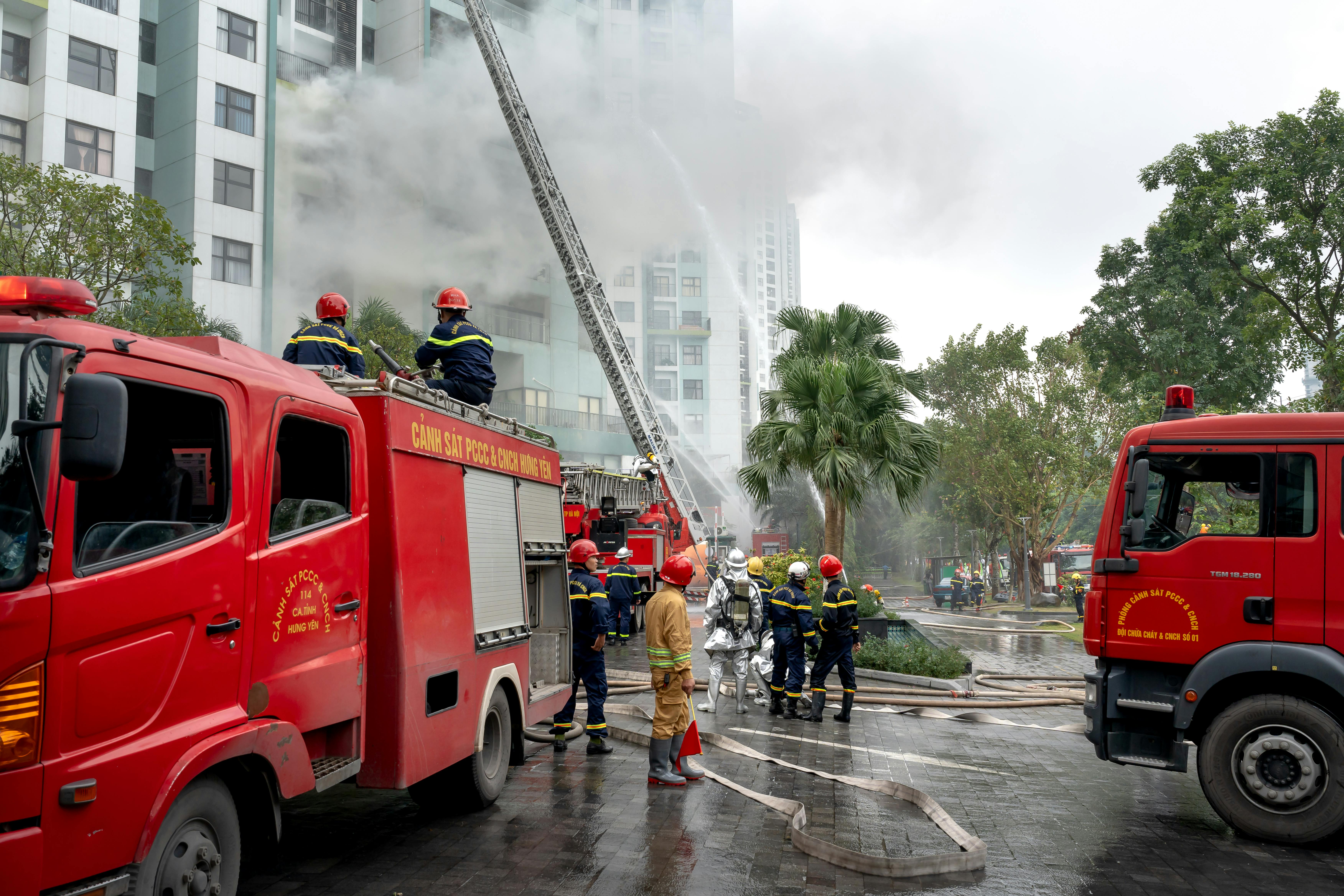
In today’s unpredictable environment, organizations of every size must anticipate potential disruptions and respond with confidence. Effective emergency planning transforms uncertainty into a structured, manageable process, safeguarding assets, personnel, and reputation. By integrating risk assessment, resource allocation, and continuous training, businesses can create a resilient framework that minimizes downtime and protects stakeholders during crises.
Key Components of a Robust Emergency Plan
Risk Identification and Assessment
- Conduct comprehensive hazard analyses covering natural, technological, and human-caused events.
- Prioritize risks based on likelihood and potential impact to allocate resources efficiently.
- Utilize industry-specific data and historical incident records to refine scenarios.
Communication Strategies
- Establish clear, multi-channel notification systems (SMS, email, public address).
- Define roles and responsibilities for spokespersons, ensuring consistent messaging.
- Integrate real-time monitoring tools to provide up-to-date information during an event.
Resource Management
- Maintain an inventory of emergency supplies, personal protective equipment, and backup power.
- Develop agreements with local vendors and service providers for rapid replenishment.
- Implement a digital asset tracking system to monitor usage and expiration dates.
Developing a Tailored Emergency Response Framework
Every organization has unique operational demands, making a one-size-fits-all approach ineffective. A customized framework aligns emergency procedures with business continuity goals, regulatory requirements, and cultural considerations. For a deeper dive into sector-specific planning, Discover expert strategies here.
Step-by-Step Planning Process
- Stakeholder Engagement: Involve leadership, department heads, and frontline staff to capture diverse perspectives.
- Scenario Development: Draft realistic emergency scenarios ranging from minor incidents to large-scale disasters.
- Procedure Documentation: Create concise, actionable SOPs that are easy to follow under pressure.
- Training & Drills: Conduct regular tabletop exercises and live drills to reinforce knowledge.
- Evaluation & Improvement: Review after-action reports and update plans based on lessons learned.
Technology Integration for Seamless Crisis Management
Modern emergency planning leverages digital tools to streamline coordination and enhance situational awareness. Cloud-based platforms enable real-time data sharing across locations, while AI-driven analytics predict emerging threats. To explore how technology can elevate preparedness, Explore advanced guides and tips.
- Incident Management Software: Centralizes reporting, task assignment, and status tracking.
- Geospatial Mapping: Visualizes evacuation routes, shelter locations, and hazard zones.
- Mobile Applications: Provides instant alerts, checklists, and two-way communication for field personnel.
Training, Culture, and Continuous Improvement
A resilient organization cultivates a safety-first culture where every employee understands their role in an emergency. Ongoing education, clear expectations, and recognition of best practices embed preparedness into daily operations.
Effective Training Techniques
- Interactive e-learning modules that simulate decision-making under stress.
- Quarterly live drills that test evacuation, shelter-in-place, and communication protocols.
- Feedback loops that capture participant insights for plan refinement.
For guidance on building a culture of readiness, Learn about our tailored solutions.
Regulatory Compliance and Documentation
Compliance with local, provincial, and federal regulations is a cornerstone of credible emergency planning. Documentation must be up-to-date, accessible, and auditable. Key compliance considerations include:
- Occupational health and safety legislation requirements.
- Industry-specific standards such as ISO 22301 (Business Continuity) and NFPA codes.
- Record-keeping mandates for incident reports and training logs.
Additional resources on regulatory alignment can be found by Find out more about this approach.
Measuring Success: Metrics and KPIs
Quantifying the effectiveness of emergency planning ensures continuous improvement and justifies investment. Core performance indicators include:
- Response time from incident detection to initial notification.
- Percentage of staff completing required training within designated timeframes.
- Number of drills conducted versus planned schedule.
- Post-incident recovery time compared to predefined recovery objectives.
Regularly reviewing these metrics enables organizations to adapt strategies and maintain a high level of preparedness.
Conclusion
Seamless crisis preparedness hinges on a systematic, technology-enabled approach that integrates risk assessment, clear communication, resource readiness, and a culture of continuous learning. By aligning emergency planning with business objectives and regulatory standards, organizations can mitigate disruptions, protect lives, and preserve operational integrity. Leveraging expert guidance and proven frameworks, such as those highlighted throughout this article, ensures that preparedness is not a one-time project but an ongoing commitment to resilience.