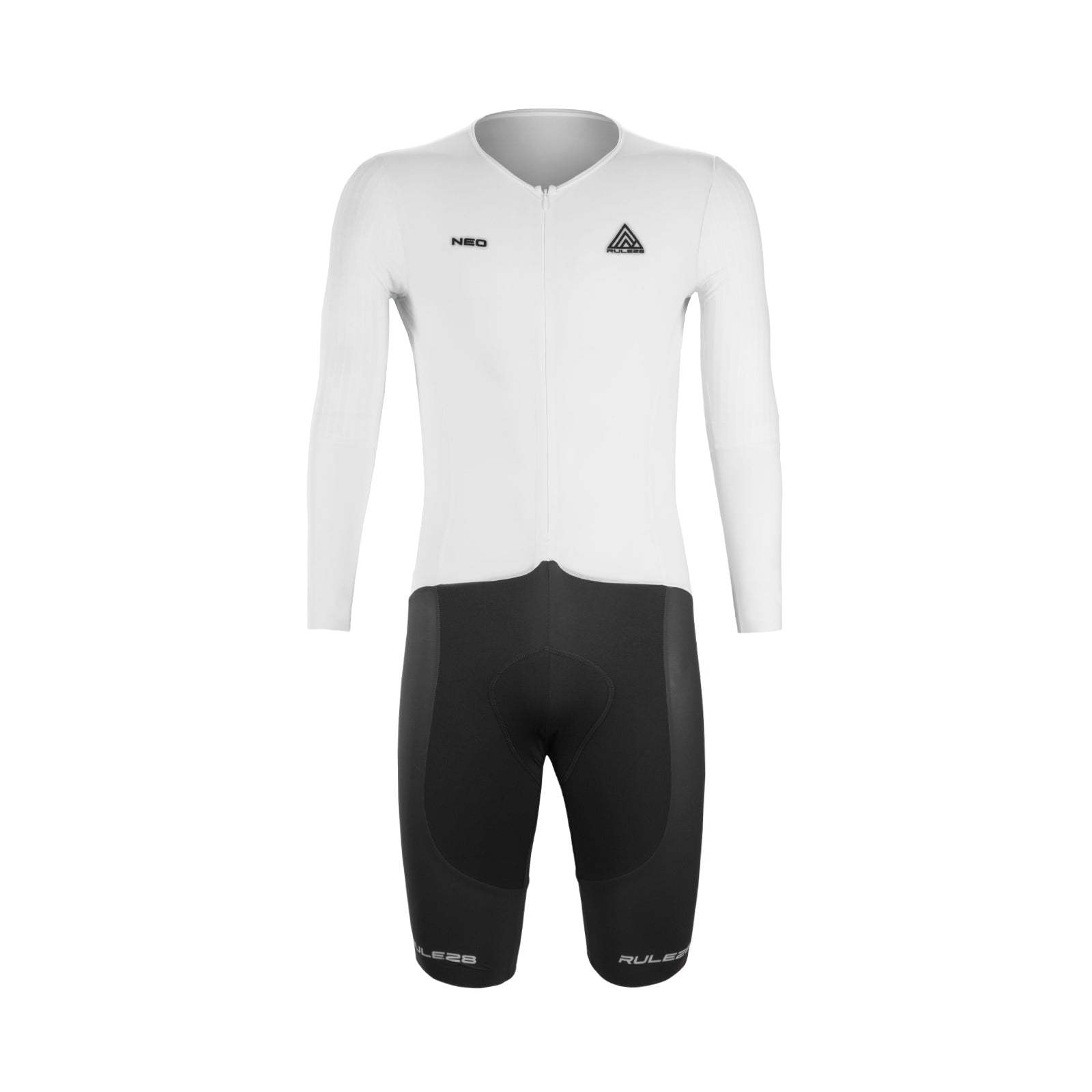
When cyclists seek that extra edge, the decision between a dedicated time trial aero kit and conventional road gear often becomes the focal point of performance discussions. The differences extend far beyond aesthetics, influencing aerodynamics, comfort, and overall efficiency on the road. Understanding the measurable benefits of each option helps riders make an informed upgrade that aligns with their goals, whether chasing a personal best, competing in a criterium, or simply enjoying faster weekend rides.
Fundamental Aerodynamic Principles
Aerodynamic drag accounts for roughly 70-80% of the total resistance a cyclist faces at speeds above 20″?km/h. Reducing that drag translates directly into speed gains without additional power output. Time trial aero kits are engineered to streamline the rider’s silhouette, while standard gear relies on traditional clothing and component choices that may not prioritize airflow.
Key aerodynamic features of a time trial aero kit
- Form-fitting skinsuits: Tight, smooth fabrics eliminate loose material that can flutter and increase turbulence.
- Integrated arm and leg covers: These reduce the cross-sectional area of the limbs, smoothing the transition between body and bike.
- Low-drag helmets and shoe covers: Designed to complement the suit’s shape, they further minimize vortex formation.
How standard gear compares
- Loose-fit jerseys and shorts create pockets of air that can separate from the surface, generating drag.
- Separate accessories (e.g., shoe covers, arm warmers) often do not align perfectly, leading to gaps.
- Traditional helmets prioritize ventilation over aerodynamics, sacrificing speed for comfort.
Performance Benefits of Upgrading to an Aero Kit
For riders focused on time-trialling or flat-out efforts, the performance uplift can be significant. Independent wind-tunnel testing shows that a complete aero kit can reduce drag by 5-10% compared to standard road apparel. At 40″?km/h, that reduction may equate to a 1-2″?km/h speed increase or a 10-15″?W power saving.
Quantifiable gains
- Speed improvement: Up to 2″?km/h faster on a flat course at race pace.
- Power savings: Approximately 10-15″?watts less required to maintain the same speed.
- Energy efficiency: Longer endurance sessions with reduced fatigue due to lower muscular effort.
These advantages become especially noticeable during solo efforts, breakaways, or when battling headwinds. The aerodynamic refinement also aids in maintaining a more consistent power output, as the rider experiences fewer sudden fluctuations caused by wind resistance.
Comfort and Practicality Considerations
While speed is a primary driver, comfort cannot be ignored. Modern aero kits have evolved to balance performance with wearability, incorporating breathable panels, ergonomic seams, and temperature-regulating fabrics. However, the snug fit may feel restrictive to some cyclists, particularly during longer rides in varying weather conditions.
Comfort features in contemporary aero kits
- Strategic mesh zones for ventilation without compromising drag.
- Flatlock stitching that reduces chafing and skin irritation.
- Compression zones that support muscle groups during high-intensity efforts.
Standard gear advantages
- Greater freedom of movement, ideal for group rides and technical terrain.
- Easier layering and quick changes in fluctuating temperatures.
- Lower cost and broader availability of replacement parts.
Cost-Benefit Analysis
Investing in a time trial aero kit typically involves a higher upfront expense than purchasing standard jerseys and shorts. However, the long-term performance return can justify the cost for serious competitors. When evaluating the purchase, consider the following factors:
- Frequency of use: Riders who regularly train or race against the clock will extract more value.
- Target events: If the race calendar includes multiple time-trial or flat stages, the aerodynamic edge becomes a strategic asset.
- Resale potential: High-quality aero kits retain value, especially when kept in good condition.
For those seeking a balanced upgrade path, integrating select time trial upgrades cycling, such as an aerodynamic helmet or shoe covers, can provide noticeable gains without the full kit investment.
Choosing the Right Upgrade Path
Decision-making should align with personal objectives, riding style, and budget. Below is a simple decision matrix to help cyclists determine whether a full aero kit or targeted upgrades are more appropriate.
Full Aero Kit
- Goal: Maximize speed in solo or time-trial events.
- Riding Frequency: ???3 dedicated TT or flat-road sessions per week.
- Budget: Willing to allocate a premium amount for comprehensive performance gains.
Selective Upgrades
- Goal: Improve specific aerodynamic weak points while retaining comfort.
- Riding Frequency: Mixed training (group rides, climbs, occasional TT).
- Budget: Moderate; prioritize high-impact items like an aero helmet or shoe covers.
Conclusion
Transitioning from standard road apparel to a dedicated time trial aero kit offers measurable aerodynamic, speed, and efficiency benefits, especially for cyclists focused on time-trialling or flat-out racing. While the investment is higher, the performance returns can be substantial when the equipment is used consistently and correctly. For riders who prefer a more versatile approach, integrating select time trial aero kit components provides a pragmatic middle ground. Ultimately, the optimal upgrade strategy hinges on individual goals, riding habits, and the willingness to balance comfort with performance.