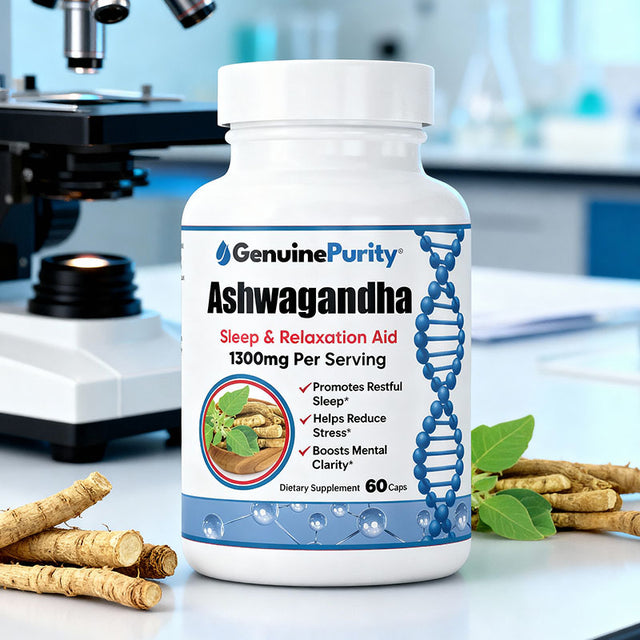
Ashwagandha has risen to prominence as one of the most researched adaptogenic herbs, praised for its ability to support stress resilience, cognitive function, and overall vitality. With a surge of products on the market, consumers often wonder which form, capsules, powdered extract, or liquid tincture, delivers the most reliable results. This guide breaks down the key differences, examines quality criteria, and highlights what to look for when choosing the best ashwagandha supplement for individual health goals.
Understanding the Core Forms of Ashwagandha
Capsules
Capsules are the most convenient delivery method, offering pre-measured doses that eliminate the guesswork of portion control. They typically contain either a standardized root extract or a whole-root powder.
- Standardized extracts often guarantee 5% withanolides, the active compounds linked to stress reduction.
- Whole-root powders may provide a broader spectrum of phytochemicals but can vary in potency.
- Easy to incorporate into daily supplement routines.
Extracts (Powder or Liquid)
Extracts concentrate the herb’s active constituents, delivering a higher potency per serving. They can be found as a fine powder for mixing into drinks or as a liquid tincture.
- Higher withanolide percentages (often 10% or more) for stronger effects.
- Rapid absorption due to reduced fiber content.
- Flexibility to adjust dosage based on personal tolerance.
Other Formats
Beyond capsules and extracts, the market includes gummies, teas, and topical creams. While these formats can be enjoyable, they usually contain lower concentrations of active compounds and are best suited for occasional use rather than therapeutic dosing.
Key Quality Indicators to Evaluate
- Standardization: Look for products that specify a withanolide content (e.g., 5% or 10%). This ensures consistency across batches.
- Sourcing: Organic, non-GMO, and sustainably farmed roots reduce exposure to pesticides and heavy metals.
- Third-Party Testing: Independent lab results for potency, purity, and contaminants add credibility.
- Manufacturing Practices: GMP-certified facilities guarantee that the supplement meets strict safety standards.
Comparative Overview: Capsules vs. Extract vs. Other Forms
| Feature | Capsules | Extract (Powder/Liquid) | Other Formats |
|---|---|---|---|
| Convenience | High – pre-measured, portable | Medium – requires mixing or measuring | Varies – gummies are easy, teas need preparation |
| Potency | Moderate – depends on standardization | High – concentrated withanolides | Low to moderate |
| Taste | Neutral | Can be earthy (powder) or strong (tincture) | Often flavored (gummies, teas) |
| Absorption Speed | Standard – capsule must dissolve | Fast – liquid form especially | Variable |
| Ideal User | Busy professionals, travelers | Those seeking therapeutic doses, athletes | Beginners, occasional users |
How to Choose the Right Option for You
When deciding between ashwagandha capsules and an ashwagandha extract, consider the following personal factors:
- Health Objectives: For stress management and general wellness, a standard 5% capsule may suffice. For performance-oriented goals like muscle recovery, a higher-strength extract can be more effective.
- Lifestyle: If you travel frequently or prefer a “set-and-forget” routine, capsules are the most practical.
- Digestive Sensitivity: Some users experience mild gastrointestinal discomfort with whole-root powders; extracts often bypass this issue.
- Budget: Capsules generally provide a lower cost per dose, while extracts, especially liquid tinctures, may carry a premium price.
Where to Find Reliable Products
Choosing a reputable source is as important as the form you select. Products that clearly list their withanolide percentage, provide third-party lab certificates, and are manufactured in GMP-certified facilities tend to deliver consistent results. For those ready to make a purchase, the best ashwagandha options are often highlighted by consumer reviews that emphasize purity and efficacy.
Frequently Asked Questions
Can I take Ashwagandha with other supplements?
Yes, it generally pairs well with multivitamins, omega-3 fatty acids, and magnesium. However, avoid combining it with sedatives or thyroid medication without consulting a healthcare professional.
How long does it take to notice benefits?
Most users report reduced stress and improved sleep within 2-4 weeks of consistent dosing. Cognitive benefits may require 6-8 weeks of regular use.
Is there a risk of side effects?
Side effects are rare but can include mild stomach upset or drowsiness at high doses. Starting with a lower dose and gradually increasing can mitigate these effects.
Final Thoughts
Whether opting for convenient ashwagandha capsules, a potent ashwagandha extract, or another format, the decision should hinge on personal health goals, lifestyle, and quality standards. By focusing on standardized potency, transparent sourcing, and third-party testing, consumers can confidently select the best ashwagandha supplement to support stress resilience, mental clarity, and overall vitality. For those ready to experience the herb’s adaptogenic benefits, the next step is simply to buy ashwagandha from a trusted vendor and incorporate it into a balanced wellness routine.