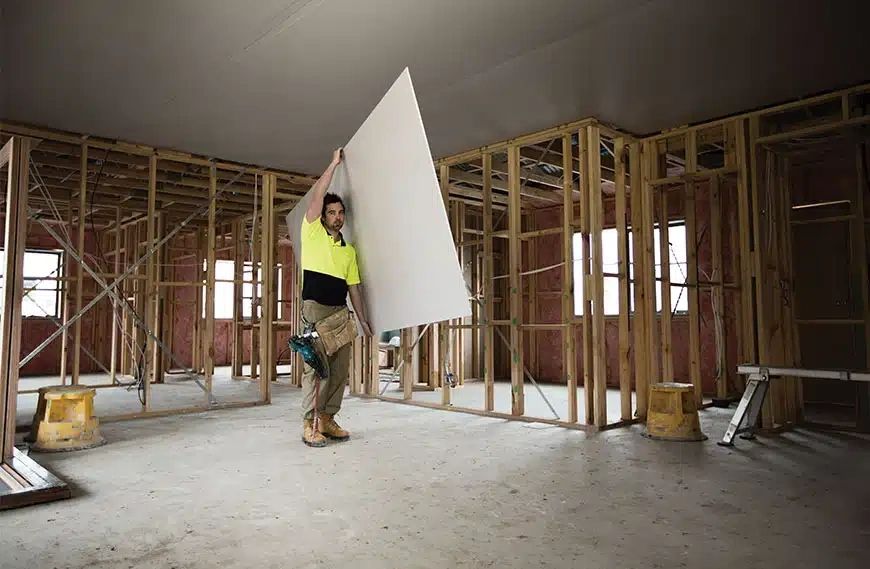
Plasterboard, also known as drywall or gypsum board, is a staple in modern construction and renovation projects due to its versatility and ease of installation. However, despite its durability, plasterboard is susceptible to damage from various factors such as accidental impacts, moisture, or settling of the structure. Repairing plasterboard is a necessary skill for maintaining the aesthetic and functional integrity of walls and ceilings. This guide delves into effective techniques for patching plasterboard, providing insights into the best practices and materials used by professionals in the field.
Understanding the Types of Plasterboard Damage
Before embarking on any repair project, it is crucial to identify the type and extent of damage. Common types of plasterboard damage include:
- Small holes or dents caused by nails or screws.
- Cracks resulting from structural movement or settling.
- Water damage leading to sagging or softening of the plasterboard.
- Large holes caused by accidental impact or removal of fixtures.
Each type of damage requires a different approach to repair. For instance, small holes might only need a quick patch, while large holes could require more extensive work including reinforcement of the surrounding area. Find out more about this approach.
Basic Tools and Materials Needed for Plasterboard Repair
Having the right tools and materials is essential for a successful repair. The basic toolkit should include:
- Utility knife for cutting the plasterboard.
- Joint compound for filling and smoothing.
- Plasterboard patch or a piece of spare plasterboard.
- Sandpaper or sanding sponge for finishing.
- Taping knife for applying joint compound.
- Mesh tape for reinforcing the joint compound.
- Primer and paint for the final touch.
For more detailed advice on materials and their uses, discover expert strategies here.
Step-by-Step Techniques for Plasterboard Repair
Small Holes Repair
Repairing small holes such as those from nails or screws is relatively straightforward:
- Clean the area around the hole.
- Apply a small amount of joint compound with a taping knife.
- Allow it to dry, then sand it smooth.
- Repeat the process if necessary, then prime and paint.
These steps ensure a seamless finish. Learn about our tailored solutions for different types of small repairs.
Repairing Cracks
Cracks can compromise the structural integrity of your plasterboard. Follow these steps to repair them:
- Cut a V-shaped groove along the crack with a utility knife.
- Apply mesh tape over the groove.
- Cover the tape with joint compound, smoothing it with a taping knife.
- Allow it to dry and then sand the area smooth.
- Apply a second coat of joint compound if needed, then sand, prime, and paint.
For complex crack repairs, explore advanced guides and tips.
Repairing Large Holes
Large holes require more intricate work:
- Cut a piece of plasterboard slightly larger than the hole.
- Trace the patch on the wall and cut out the damaged area.
- Insert the patch into the hole and secure it with screws.
- Apply mesh tape around the edges of the patch.
- Cover with joint compound, feathering the edges to blend with the wall.
- Sand, prime, and paint for a flawless finish.
This method ensures a sturdy and visually appealing repair. Find out more about this approach.
Conclusion
Repairing plasterboard damage can seem daunting, but with the right techniques and materials, it can be effectively managed. Understanding the type of damage and selecting the appropriate repair method are crucial steps in maintaining the beauty and durability of plasterboard surfaces. Whether dealing with small imperfections or larger structural issues, utilizing professional insights and strategies will enhance the quality of the repair work. Discover expert strategies here for achieving professional results in plasterboard repairs.