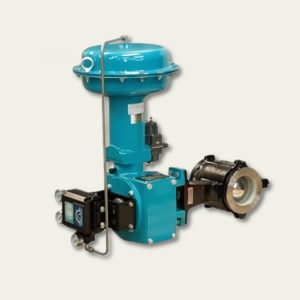
Pressure safety valves (PSVs) play a crucial role in maintaining safety and operational efficiency in various industrial systems. These devices are designed to protect equipment from excessive pressure by releasing pressure when necessary. Understanding the components and functions of PSVs is essential for anyone involved in the maintenance or operation of pressurized systems. This article aims to demystify pressure safety valves by examining their key components and functions to provide clarity and enhance operational knowledge.
Key Components of Pressure Safety Valves
Pressure safety valves are composed of several critical components that work together to ensure reliable operation. Recognizing these components can aid in both troubleshooting and routine maintenance.
1. Valve Body
The valve body is the main housing that contains the internal components of the PSV. It is constructed from durable materials to withstand high pressures and temperatures.
- Acts as the primary structure of the valve.
- Designed to resist corrosion and pressure-induced wear.
- Houses the inlet and outlet connections.
2. Spring Mechanism
The spring is a vital part of the valve’s operation, determining the pressure at which the valve will open.
- Can be adjusted to set the desired set pressure.
- Ensures the valve opens precisely when required to prevent system overpressure.
3. Disc and Seat
The interaction between the disc and seat is critical for sealing the valve during normal operations and allowing controlled release when necessary.
- The disc moves away from the seat to release pressure.
- Ensures a tight seal under normal operating conditions.
4. Lifting Mechanism
This component allows for manual testing and operation of the valve, ensuring it functions correctly when needed.
- Facilitates routine testing of the valve operation.
- Enables manual release of pressure if necessary.
Functions of Pressure Safety Valves
Understanding the functions of PSVs can help optimize their use in various industrial applications. These functions are designed to maintain safety and operational integrity.
Overpressure Protection
PSVs are primarily used to protect equipment from overpressure, which can cause catastrophic failure if not properly managed.
- Automatically releases excess pressure to prevent system damage.
- Ensures compliance with industry safety standards.
Explore advanced guides and tips on how PSVs can be integrated into safety systems to enhance operational reliability. Find out more about this approach.
Ensuring Operational Continuity
By preventing equipment failure, PSVs contribute to the continuity of operations, minimizing downtime.
- Helps maintain a stable working environment.
- Reduces the risk of costly maintenance and repairs.
Discover expert strategies here to learn how proper maintenance of PSVs ensures operational efficiency. Discover expert strategies here.
Protecting Personnel and Environment
Beyond equipment protection, PSVs play a vital role in safeguarding personnel and the environment.
- Reduces the risk of hazardous releases into the environment.
- Protects workers by maintaining safe pressure levels.
Learn about our tailored solutions that ensure comprehensive safety measures for industrial operations. Learn about our tailored solutions.
Conclusion
Pressure safety valves are indispensable components of any system that operates under high pressure. Their function is not only to protect machinery but also to ensure the safety of personnel and the environment. Understanding their components and functions is crucial for maintaining a safe and efficient operation. For further insights into optimizing the use of pressure safety valves and related systems, explore advanced guides and tips to enhance your operational knowledge and system reliability.