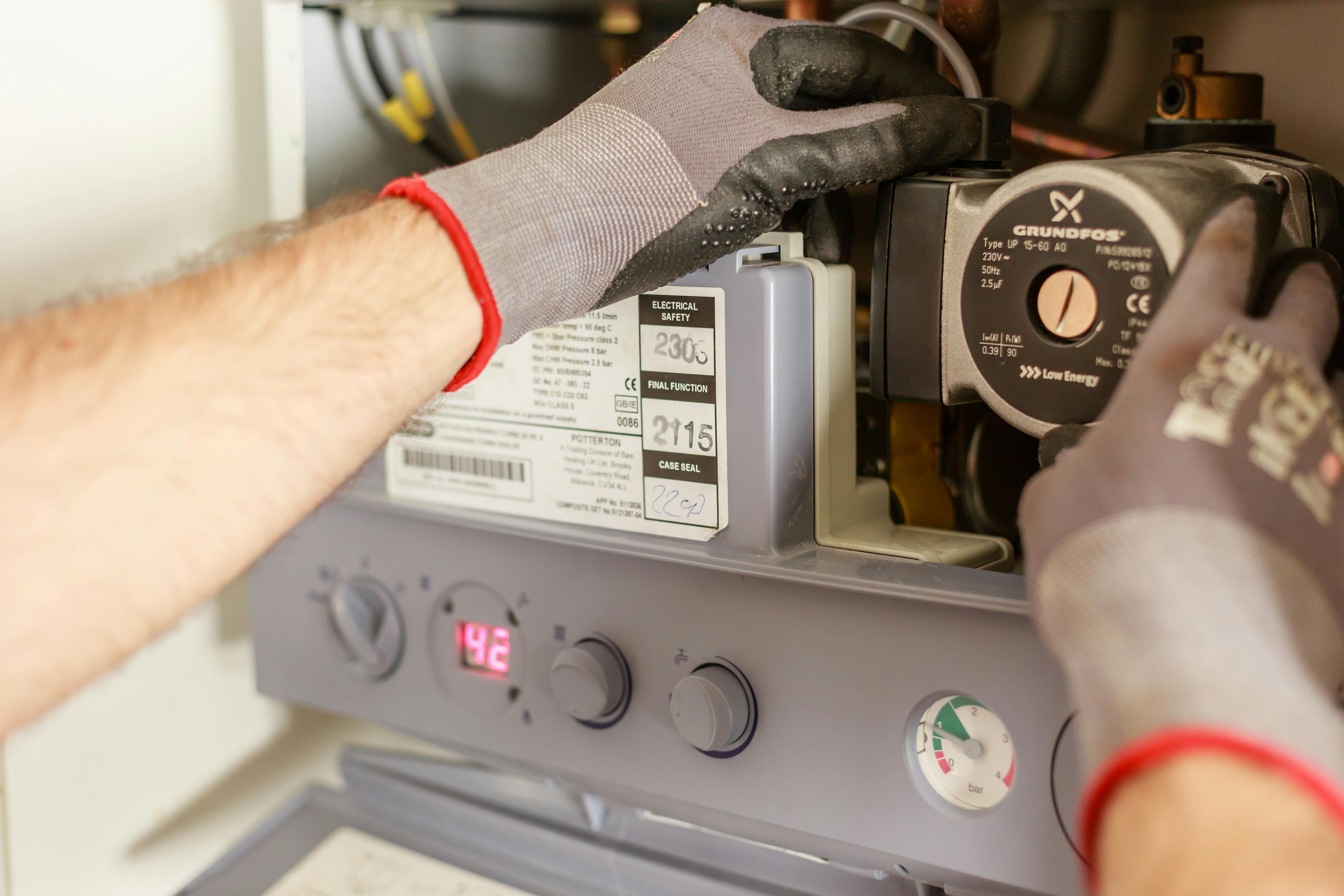
As the colder months approach, ensuring your home remains warm and cozy becomes a priority. One popular solution for achieving optimal warmth in residential settings is the use of ducted heating systems. These systems offer efficient, whole-house heating and create a comfortable living environment. By distributing heat evenly throughout the home, ducted heating systems eliminate cold spots and ensure consistent warmth. This article explores the workings, benefits, and considerations of ducted heating systems to help you make an informed decision for your home heating needs.
Understanding Ducted Heating Systems
Ducted heating systems, also known as central heating systems, use a central unit to generate heat, which is then distributed through a network of ducts into various rooms. Here?s how they typically work:
- A central heater, usually located outside or in a utility space, generates heat using gas or electricity.
- Warm air is distributed through a series of ducts, strategically placed throughout the house.
- Vents in each room release the warm air, ensuring even distribution.
- A thermostat allows for temperature control, maintaining comfort and energy efficiency.
For detailed insights into the various types of ducted heating systems, you can read more about this topic.
Benefits of Ducted Heating Systems
Ducted heating systems offer numerous advantages, making them a preferred choice for many homeowners. Some key benefits include:
- Whole-Home Comfort: Unlike localized heating solutions, ducted systems provide warmth throughout the entire house, ensuring consistent comfort.
- Energy Efficiency: Modern ducted systems are designed to be energy-efficient, helping to reduce utility bills.
- Control and Flexibility: With programmable thermostats, homeowners can control the temperature in different zones, optimizing comfort and efficiency.
- Aesthetics: With ducts and vents discreetly installed, ducted systems maintain the aesthetic appeal of the home without bulky radiators or heating units.
- Quiet Operation: These systems are typically quieter than other heating solutions, providing a serene home environment.
To learn more in this detailed guide about the benefits and features of ducted heating systems, visit the provided link.
Considerations When Choosing a Ducted Heating System
While ducted heating systems offer numerous benefits, certain factors should be considered to ensure they meet your specific needs:
Home Size and Layout
The size and layout of your home significantly impact the efficiency and cost of a ducted heating system. Larger homes may require more extensive ductwork and a more powerful central unit. Evaluate your home?s dimensions and design to determine the most suitable system.
Energy Source
Ducted systems can be powered by gas or electricity. Gas systems are generally more cost-effective for larger homes, while electric systems may be better suited for smaller spaces or areas without natural gas access. Explore further insights here to determine the most appropriate energy source for your situation.
Installation and Maintenance
Proper installation and regular maintenance are crucial for the optimal performance of ducted heating systems. Engage qualified professionals to ensure the system is installed correctly and schedule regular check-ups to maintain efficiency and longevity. Find additional information here on installation best practices and maintenance tips.
Conclusion
Ducted heating systems provide an efficient and effective solution for whole-house heating, ensuring comfort during colder months. By understanding the workings, benefits, and considerations associated with these systems, homeowners can make informed decisions that enhance their living environments. Whether upgrading an existing system or considering a new installation, investing in a ducted heating system can offer long-term comfort and energy savings.