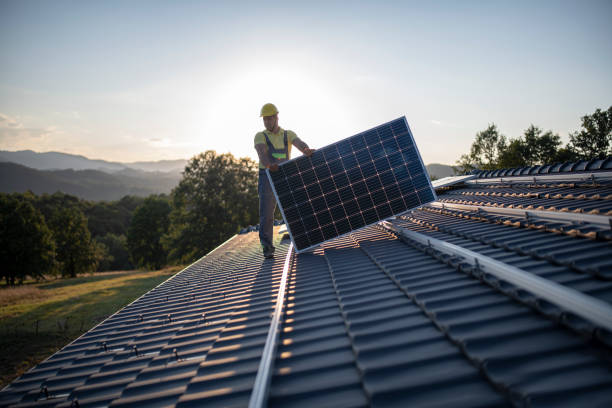
Investing in solar panel installation is a significant decision that can offer substantial long-term benefits, including reduced energy bills and a lower environmental footprint. However, before embarking on this investment, it’s crucial to consider various factors to ensure a successful installation and maximum return on investment. This article will guide you through the essential considerations to keep in mind before proceeding with a solar panel installation.
Assessing Energy Needs and Consumption
Understanding your current and future energy requirements is the first step in determining the suitability of solar panel installation. Consider the following:
- Analyze past utility bills to gauge average energy consumption.
- Consider any anticipated changes in energy usage, such as home expansions or new appliances.
- Evaluate the potential for energy savings and how much of your energy needs can be offset by solar power.
Evaluating the Site for Solar Suitability
The location and physical characteristics of your property play a crucial role in the efficiency of solar panels. Factors to consider include:
- Roof orientation and angle: Ideally, solar panels should be installed on a south-facing roof with a pitch between 15 and 40 degrees for optimal sunlight exposure.
- Shading: Ensure that trees, buildings, or other obstructions do not cast shadows on the panels, which can significantly reduce their efficiency.
- Roof condition: A strong and durable roof is essential to support the weight of solar panels. It may be necessary to repair or upgrade the roof before installation.
Financial Considerations and Incentives
Investing in solar panels involves a significant financial commitment. It’s essential to explore the financial aspects and available incentives:
- Initial costs: Obtain quotes from multiple providers to compare prices and services.
- Government incentives: Research available tax credits, rebates, and other incentives that can reduce the initial investment cost.
- Financing options: Consider financing options like solar loans or leases to make the investment more affordable.
Understanding Local Regulations and Permits
Compliance with local regulations and obtaining the necessary permits is crucial for a legal and hassle-free installation process. Consider the following steps:
- Research local zoning laws and building codes that might affect the installation.
- Obtain the necessary permits from local authorities before starting the project.
- Consult with a professional installer who is knowledgeable about local requirements.
Choosing a Reliable Solar Panel Installer
The quality of the installation can significantly impact the performance and longevity of the solar panels. To ensure a high-quality installation:
- Look for certified and experienced installers with positive customer reviews.
- Consider providers who offer comprehensive warranties and after-sales support.
- Explore options for residential solar panel installation that cater to your specific needs and preferences.
Maintenance and Longevity
Post-installation, regular maintenance is essential to ensure the solar panels operate at peak efficiency. Key maintenance considerations include:
- Regular cleaning to remove dirt, leaves, and debris that can block sunlight.
- Periodic inspections to identify and address any wear and tear or technical issues.
- Monitoring systems to track energy production and detect potential issues early.
Investing in solar panel installation is a strategic decision that requires careful planning and consideration of various factors. By thoroughly evaluating energy needs, site suitability, financial implications, local regulations, and choosing a reliable installer, homeowners can optimize their investment and enjoy the benefits of renewable energy for years to come.