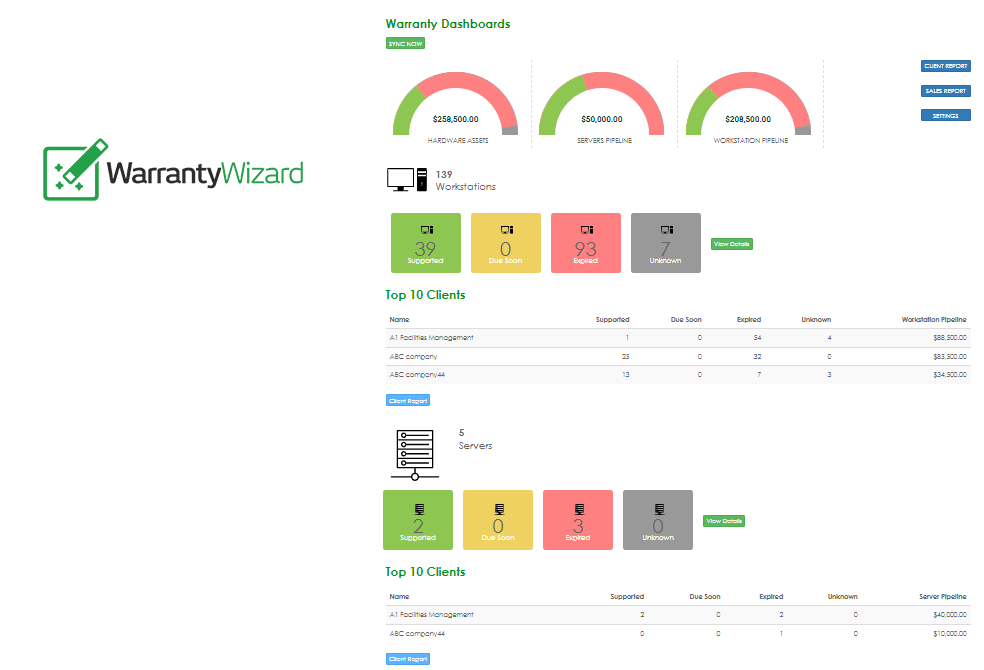
In the ever-evolving landscape of IT management, leveraging technology to streamline operations has become a cornerstone of effective business strategy. As organizations expand, the complexity of managing IT assets increases exponentially. The traditional methods of manual tracking and management are quickly becoming obsolete, paving the way for advanced lifecycle management solutions. These solutions not only simplify IT asset management but also enhance efficiency, reduce costs, and ensure compliance.
The Importance of IT Asset Management
Understanding the significance of IT asset management is crucial for any organization aiming to optimize its infrastructure. Effective management of IT assets helps in:
- Tracking and controlling the lifecycle of assets from procurement to disposal.
- Ensuring compliance with industry regulations and standards.
- Reducing overhead costs through efficient resource allocation and utilization.
- Enhancing security by managing access and protecting sensitive data.
With the integration of lifecycle asset management software, organizations can automate and streamline these processes, resulting in substantial improvements in operational efficiency.
Features of Advanced Lifecycle Management Software
Modern software asset lifecycle management it asset lifecycle management software offers a comprehensive suite of features designed to address the complexities of asset management:
Automated Tracking and Reporting
- Real-time tracking of asset location, condition, and usage.
- Automated generation of reports for audits and compliance checks.
- Predictive analytics to foresee potential asset failures and maintenance needs.
Enhanced Configuration Management
- Centralized platform for managing configurations and changes across systems.
- Integration with other IT systems for seamless data flow and updates.
- Customizable dashboards for tailored visibility into asset configurations.
Cost Management and Optimization
- Detailed insights into asset costs, usage patterns, and lifecycle stages.
- Budget forecasting tools to plan for future asset acquisitions and upgrades.
- Reduction of unnecessary expenditures by optimizing asset utilization.
Implementing Lifecycle Management Solutions
Implementing a robust IT asset management system requires careful planning and execution. Here are key steps to ensure successful adoption:
- Conduct a thorough assessment of current asset management practices.
- Identify the specific requirements and goals for the new system.
- Select a software solution that aligns with organizational needs and scalability.
- Ensure comprehensive training and support for staff involved in asset management.
- Regularly evaluate and adjust the system to meet evolving business demands.
By adopting cutting-edge solutions, organizations can significantly enhance their IT asset management capabilities, leading to better resource allocation, improved compliance, and overall operational success.
Conclusion
The digital transformation of IT asset management through lifecycle software solutions is not just a trend but a necessity for modern enterprises. By leveraging advanced technology, businesses can achieve a higher level of efficiency, security, and cost-effectiveness. The integration of lifecycle management software enables organizations to maintain a competitive edge in a rapidly changing market landscape, ensuring that their IT infrastructure remains robust, adaptable, and aligned with business objectives.