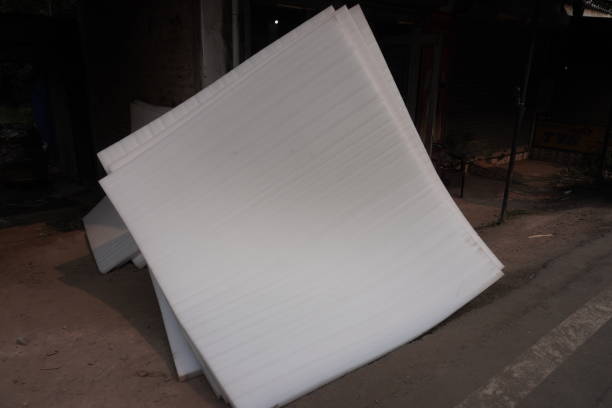
In the quest for optimal cushioning solutions, polyethylene foam has emerged as a standout choice across industries. This versatile material is renowned for its superior cushioning properties, making it a staple in packaging, construction, and a variety of other applications. With its unique closed-cell structure, polyethylene foam offers numerous advantages that enhance its functionality and appeal.
Understanding Polyethylene Foam
Polyethylene foam is a type of closed-cell foam characterized by its flexibility, resilience, and lightweight nature. This material is often available in various forms, including polyethylene foam sheets and rolls, making it adaptable to a wide range of uses. Its closed-cell nature means that the foam consists of small, enclosed pockets of gas, which provide excellent cushioning and insulation properties.
Key Advantages of Polyethylene Foam for Cushioning
Durability and Longevity
One of the primary benefits of using expanded polyethylene foam is its durability. The closed-cell structure makes it resistant to moisture, chemicals, and physical impact, ensuring that it retains its shape and functionality over time. This durability is essential for applications where long-term cushioning is needed, such as in packaging for delicate electronics or fragile items.
Lightweight and Economical
– Polyethylene foam is incredibly lightweight, which reduces shipping costs and makes it easy to handle.
– Its cost-effectiveness is a significant advantage for businesses that require large quantities of cushioning material.
– The production of expanded polyethylene is efficient, contributing to its affordability.
Versatility and Customization
Polyethylene foam can be easily customized to fit specific requirements. Whether cut into sheets, rolls, or custom shapes, it provides the flexibility needed for various applications. This adaptability makes it suitable for diverse industries, including:
- Aerospace: For cushioning sensitive components.
- Automotive: As a vibration dampener.
- Construction: For thermal insulation and soundproofing.
- Packaging: Protecting products during transit.
Environmental Considerations
While polyethylene foam offers numerous functional advantages, it is also important to consider its environmental impact. Advances in recycling technologies have made it possible to recycle polyethylene foam, reducing waste and promoting sustainability. Many manufacturers are now offering recycled options, aligning with global efforts to minimize environmental footprints.
Conclusion
In conclusion, the use of polyethylene foam for cushioning provides a multitude of benefits, from its durability and lightweight nature to its versatility and cost-effectiveness. Its ability to protect sensitive items, reduce shipping costs, and offer customization options makes it an invaluable resource across various sectors. As industries continue to seek efficient cushioning solutions, polyethylene foam remains a front-runner, offering both functional and environmental advantages. For more information on various foam solutions, explore polyethylene foam options tailored to specific needs.