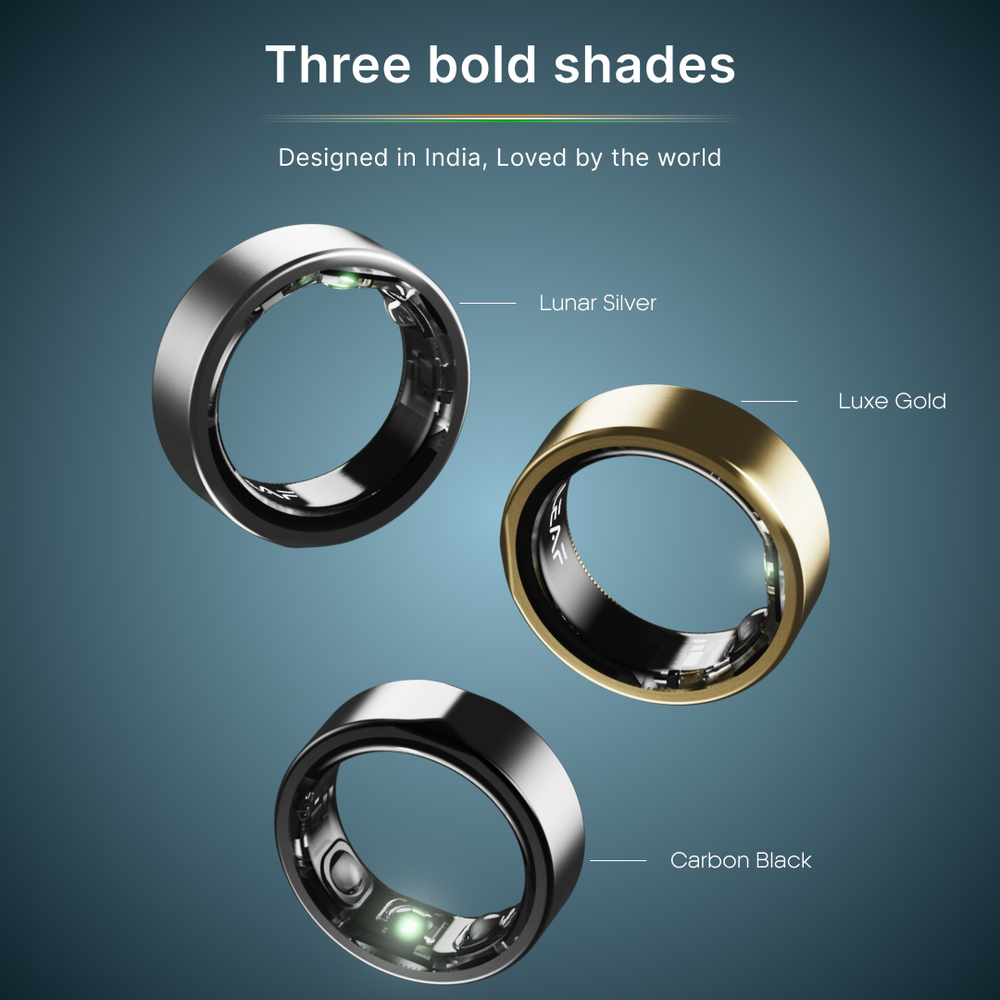
Understanding a woman?s menstrual cycle is crucial for various reasons, from family planning to identifying potential health issues. An ovulation tracker can be an essential tool for those seeking to conceive or simply gain insights into their reproductive health. This comprehensive guide will delve into the intricacies of using an ovulation tracker, breaking down how it functions, its benefits, and tips for optimizing its use.
Understanding Ovulation and Its Significance
Ovulation is a phase in the menstrual cycle when an egg is released from the ovary. This is the period when a woman is most fertile, and understanding this phase can significantly aid in family planning. Here’s why tracking ovulation is important:
- Fertility Planning: Identifying the fertile window can help in timing intercourse for conception.
- Cycle Monitoring: Helps in understanding the regularity or irregularities in the menstrual cycle.
- Health Insights: Abnormal patterns may indicate underlying health issues that need attention.
How Does an Ovulation Tracker Work?
An ovulation tracker uses various physiological signals to determine the fertile window. Here?s a look at the common methods employed:
Basal Body Temperature (BBT)
BBT is the body?s lowest temperature in a 24-hour period. After ovulation, there?s a slight increase in BBT. Tracking these changes can help identify ovulation days.
Hormone Monitoring
Many ovulation trackers measure Luteinizing Hormone (LH) levels, which surge 24-36 hours before ovulation. This is a reliable indicator of impending ovulation.
Cervical Mucus Observation
Changes in cervical mucus can also signal ovulation. It tends to become clear and stretchy, resembling egg whites, which indicates peak fertility.
Benefits of Using an Ovulation Tracker
Employing an ovulation tracker provides numerous advantages beyond just fertility awareness. These include:
- Precision: Offers a more accurate estimate of the fertile window compared to calendar methods.
- Convenience: Easy to use and can be integrated into daily routines without significant effort.
- Empowerment: Provides insights into one’s body, promoting informed reproductive health decisions.
Tips for Optimizing the Use of an Ovulation Tracker
To maximize the effectiveness of an ovulation tracker, consider the following tips:
- Consistency: Use the tracker consistently for better accuracy and data reliability.
- Combine Methods: For increased precision, use a combination of BBT, hormone monitoring, and cervical mucus observation.
- Record Keeping: Maintain a detailed record of menstrual cycles and symptoms for comprehensive analysis.
- Consultation: Consider consulting a healthcare provider for personalized advice and insights.
Conclusion
An ovulation tracker can be an invaluable tool for those looking to understand their menstrual cycles better or improve their chances of conception. By leveraging technology to monitor physiological changes, individuals can make informed decisions about their reproductive health. Whether for planning a family or simply gaining better insights into one’s body, an ovulation tracker is a step towards empowerment and proactive health management.