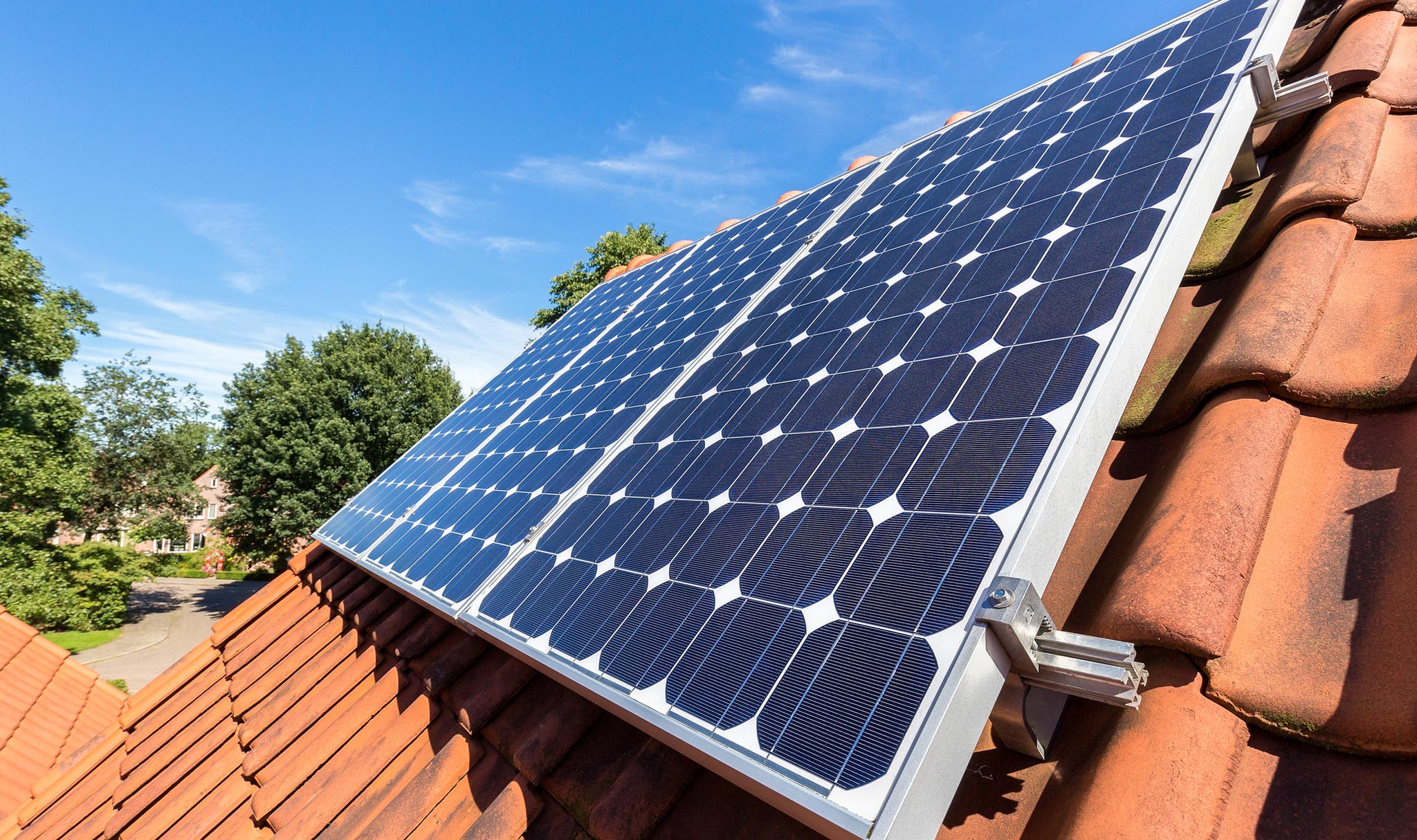
Investing in a home solar panel system is a decision that more homeowners are making as they become more aware of environmental issues and seek to reduce their energy bills. Solar energy is not only renewable but also a sustainable source that can significantly decrease reliance on conventional electricity. As technology advances and becomes more accessible, the benefits of solar panels are more compelling than ever. This article explores the top advantages of installing a solar panel system in a residential setting.
Cost Savings
One of the most attractive benefits of a home solar panel system is the potential for significant cost savings. This is achieved through:
- Reduction in monthly electricity bills, as solar panels generate electricity that can be used in place of conventional power.
- Potential to sell excess electricity back to the grid in regions with net metering policies.
- Long-term savings, as solar panels typically have a lifespan of 25-30 years, offering years of free electricity after the initial investment is recouped.
Environmental Impact
Solar energy is a clean and renewable source that contributes to reducing the carbon footprint. The environmental advantages include:
- Decreasing reliance on fossil fuels, which are a major source of greenhouse gas emissions.
- Contributing to a reduction in air pollution, as solar energy production does not release harmful pollutants.
- Supporting sustainability efforts by harnessing a renewable energy source.
Energy Independence
Installing a solar panel system empowers homeowners with energy independence. This advantage is particularly crucial in:
- Reducing vulnerability to energy price fluctuations and increases.
- Increasing energy security by relying less on external energy providers.
- Allowing homeowners to take control of their energy usage and costs.
Increased Property Value
Homes equipped with solar panel systems often see an increase in property value. This is due to several factors:
- Prospective buyers are increasingly valuing energy-efficient and sustainable homes.
- The potential for reduced electricity costs is an attractive feature for buyers.
- Enhanced home appeal in a market that is becoming more conscious of environmental impact.
Government Incentives and Rebates
Many governments offer incentives to encourage the adoption of solar energy. These can include:
- Tax credits that can offset the initial cost of installation.
- Rebates and grants available at federal, state, and local levels.
- Special financing options that make solar panel systems more affordable.
Conclusion
The decision to invest in a home solar panel system brings numerous benefits that extend from financial savings to environmental stewardship. As the world moves towards more sustainable energy solutions, solar panels stand out as a reliable and efficient investment for the future. Homeowners looking to enhance their property’s value, reduce energy costs, and contribute to a cleaner environment should consider the potential of solar energy as a viable solution.