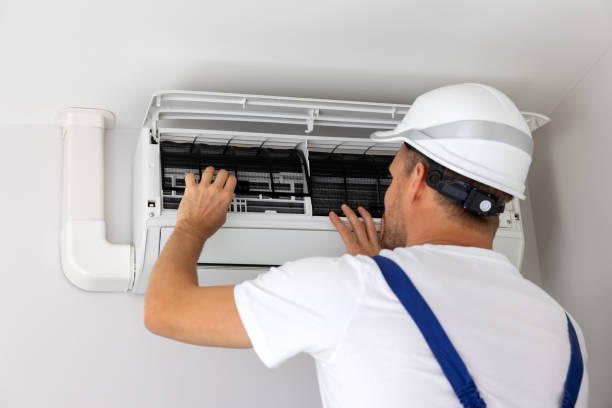
When the temperature climbs, a reliable air-conditioning system becomes essential for comfort, productivity, and health. Yet even the most robust units can develop problems over time, refrigerant leaks, compressor failures, clogged filters, or electrical glitches. Finding a trustworthy repair service nearby can make the difference between a quick fix and prolonged discomfort. This guide outlines what to expect from reputable air-conditioning repair services, how to evaluate technicians, and which maintenance habits keep systems running efficiently.
Key Indicators That Professional Repair Is Needed
Before calling a technician, it helps to recognize the warning signs that suggest a system is beyond simple DIY troubleshooting:
- Reduced cooling output or uneven temperature distribution.
- Unusual noises such as grinding, squealing, or rattling.
- Foul odors emanating from vents, indicating mold or electrical issues.
- Frequent short-cycling, where the unit turns on and off rapidly.
- Visible water leaks or excessive condensation.
When any of these symptoms appear, it’s wise to Discover expert strategies here and arrange a professional assessment.
What Sets a Reliable Service Apart?
Certification and Experience
Technicians should hold up-to-date certifications such as NATE (North American Technician Excellence) or EPA 608 for handling refrigerants. Years of field experience also indicate familiarity with a wide range of makes and models, allowing for faster diagnosis and accurate repairs.
Transparent Pricing and Diagnostics
Trustworthy providers offer clear, itemized estimates before work begins. A reputable service will explain the root cause, present multiple repair options, and outline any warranty coverage for parts and labor.
Prompt Response and Local Availability
Air-conditioning failures often occur during peak heat waves. Companies that prioritize rapid dispatch, ideally within 24 hours, help prevent secondary damage like frozen coils or electrical overloads. Look for service listings that emphasize “near you” coverage to ensure minimal travel time.
Typical Repair Processes Explained
Understanding the steps a technician follows can demystify the experience and build confidence in the service you receive.
- Initial Inspection: Visual assessment of the unit, checking for obvious damage, refrigerant levels, and airflow restrictions.
- Diagnostic Testing: Use of multimeters, pressure gauges, and thermometers to pinpoint electrical faults or refrigerant leaks.
- Problem Identification: The technician outlines the issue, whether it’s a faulty compressor, a broken fan motor, or a clogged condensate drain.
- Repair or Replacement: Depending on the severity, the professional either repairs the component or recommends a replacement, always explaining the rationale.
- System Verification: After the fix, the unit is tested under load to ensure proper cooling, correct pressures, and stable operation.
- Final Report: A written summary of work performed, parts used, and maintenance tips for future performance.
Maintenance Tips to Extend the Life of Your System
Regular upkeep reduces the likelihood of emergency repairs and improves energy efficiency. Incorporate these habits into a seasonal maintenance schedule:
- Replace or clean air filters every 30-90 days, depending on usage.
- Clear debris from outdoor condensers, leaves, dirt, and insects can obstruct airflow.
- Check and clean the evaporator coil annually to prevent frost buildup.
- Inspect refrigerant lines for signs of wear or corrosion.
- Schedule a professional tune-up before the cooling season begins.
For a deeper dive into preventive care, Explore advanced guides and tips that address both common and model-specific maintenance requirements.
Choosing the Right Service Provider Near You
When evaluating local contractors, consider the following checklist:
| Criteria | Why It Matters |
|---|---|
| Licensing & Insurance | Protects you from liability and ensures compliance with local codes. |
| Customer Reviews | Provides insight into reliability, punctuality, and quality of work. |
| Response Time | Critical during heat spikes when comfort is at stake. |
| Warranty Policies | Guarantees that parts and labor are covered if issues recur. |
| Transparent Estimates | Prevents surprise costs and builds trust. |
Many local experts also offer a free initial consultation. Taking advantage of this can clarify the scope of work before any commitment.
When to Consider Replacement Over Repair
Even the best repair service may advise replacement if the unit is beyond economical repair. Signs that a replacement might be more sensible include:
- Age over 10-12 years, when efficiency standards have significantly improved.
- Repeated breakdowns despite multiple repairs.
- Escalating energy bills indicating reduced SEER (Seasonal Energy Efficiency Ratio) performance.
- Obsolete refrigerant types that are no longer environmentally compliant.
In such cases, a professional can guide you through sizing, energy-efficiency ratings, and financing options. For more information on evaluating this decision, Find out more about this approach.
Conclusion
Choosing a dependable air-conditioning repair service near you hinges on certification, transparent communication, and a proven track record of timely, effective solutions. By recognizing early warning signs, adhering to a regular maintenance routine, and partnering with a reputable technician, homeowners can safeguard comfort while minimizing costly emergency calls. Whether the need is a quick component swap or a comprehensive system evaluation, the right expertise ensures that cooling performance remains reliable throughout the hottest months.