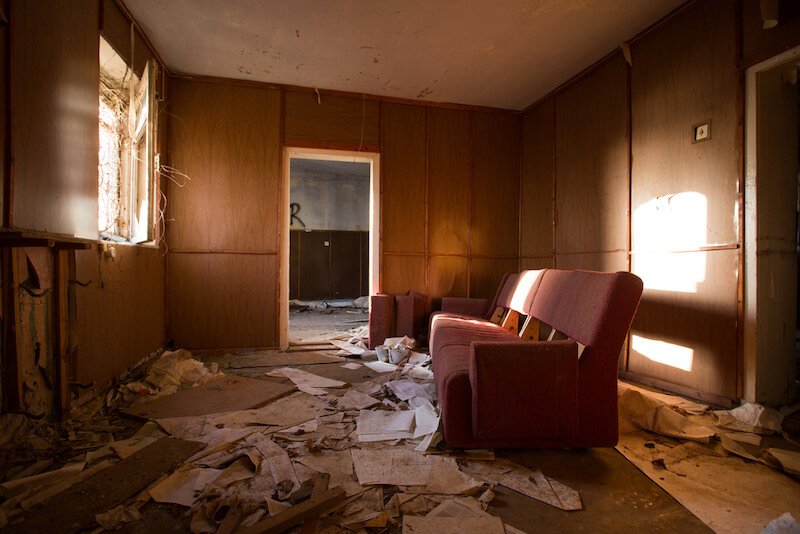
Encountering squatters in a property can be a challenging situation, especially when planning to sell. Squatters are individuals occupying a property without legal permission, and their presence can complicate the sales process. However, selling a property with squatters is not impossible. It requires careful planning, legal advice, and strategic marketing to ensure a smooth transaction. This article outlines key tips and considerations to help navigate the complexities of selling a property under these circumstances.
Understand the Legal Aspects
Before proceeding with the sale, it’s crucial to comprehend the legal implications of having squatters on your property. Laws vary significantly by jurisdiction, so it is beneficial to:
- Consult a real estate attorney to understand local laws regarding squatters’ rights.
- Determine if the squatters have any claim to legal occupancy through adverse possession.
- Consider eviction proceedings if necessary, but understand that this can be a lengthy and costly process.
More detailed guidance on the legal steps can be found in resources about selling house with squatters.
Evaluate the Property Condition
Squatters may impact the property’s condition, which will influence its market value. Conduct a thorough assessment to:
- Identify any damages caused by the squatters.
- Estimate repair costs and decide whether to make repairs before selling.
- Highlight the property’s potential to prospective buyers, despite current issues.
Price the Property Appropriately
Pricing a property with squatters is a delicate balance. It’s essential to:
- Research similar properties in better conditions to set a realistic price expectation.
- Be prepared to negotiate with buyers who may be concerned about eviction costs or property repairs.
- Consider offering price incentives to attract buyers willing to take on the additional risks and responsibilities.
Market the Property Effectively
When marketing a property with squatters, transparency and strategy are key. Consider the following:
- Be upfront about the squatter situation to avoid legal issues later.
- Target investors or buyers experienced with property rehabilitation or legal challenges.
- Highlight any positive aspects of the property, such as location or potential for renovation.
Work with Real Estate Professionals
Collaborating with professionals can streamline the selling process. It’s advantageous to:
- Engage a real estate agent experienced in selling distressed properties.
- Hire a property lawyer to handle legal paperwork and ensure a smooth transaction.
- Consider a property management company to oversee any necessary repairs or maintenance.
Consider Selling to Cash Buyers
One effective strategy is to sell the property directly to cash buyers or real estate investors who specialize in purchasing properties with complications. This approach can offer several benefits:
- Quick sale process due to the buyer’s liquidity.
- Reduced need for extensive property preparations.
- Potential to negotiate favorable terms despite the squatter issue.
Exploring options like selling house with squatters directly to investors can be an efficient solution.
Conclusion
Selling a property with squatters inside is undoubtedly challenging, but with the right approach, it can be accomplished effectively. Understanding the legal framework, accurately assessing the property’s condition and value, and employing targeted marketing strategies will enhance the prospects of a successful sale. Enlisting the help of real estate professionals and considering alternative selling options like cash buyers can further simplify the process. While it may require patience and diligence, achieving a favorable outcome is possible with the right guidance and resources.